
Introduction to Christian Ethics (TEL Cohort) FA26
Pacific School of Religion
Group-Based
Medium Level
Theological Imagination
Purchase Course
/TEL_ICE_Course%20Tile-cropped-large.png?length=1200&name=TEL_ICE_Course%20Tile-cropped-large.png)
About This Course
This course is one part of nine in the Theological Education for Leadership (TEL) Learning Path supporting the Congregational Renewal Cohort and the Ministry Leadership Track offered by PSR. It is one quarter of the full-term course of the same name and is considered the introductory overview of the Introduction to Christian Ethics. It explores Christian ethics and its application to contemporary moral and social issues. Through four modules focused on: Self, Other, World, and God, students will engage with foundational texts, participate in forum discussions, and complete practical projects to apply ethical frameworks. Students will examine key thinkers, historical developments, and ethical theories in Christian thought. We will engage with fundamental ethical questions and practical challenges through readings, discussions, and writing assignments from a Christian perspective. The course aims to equip students with ethical reasoning tools and collaboratively develop approaches to constructing liberative Christian ethics.
Course Components
View All
5
Lessons
10
Resources
0
Quizzes
14
Assignments
How to Engage with this course
Learning Objectives
In this TEL course, you will learn:
- To demonstrate critical engagement with ethics texts and religious traditions, cultures, and practices.
- To generate ethics knowledge that fosters effective collaboration across difference.
- To develop ethical Christian awareness of Self, Other, World, and God.
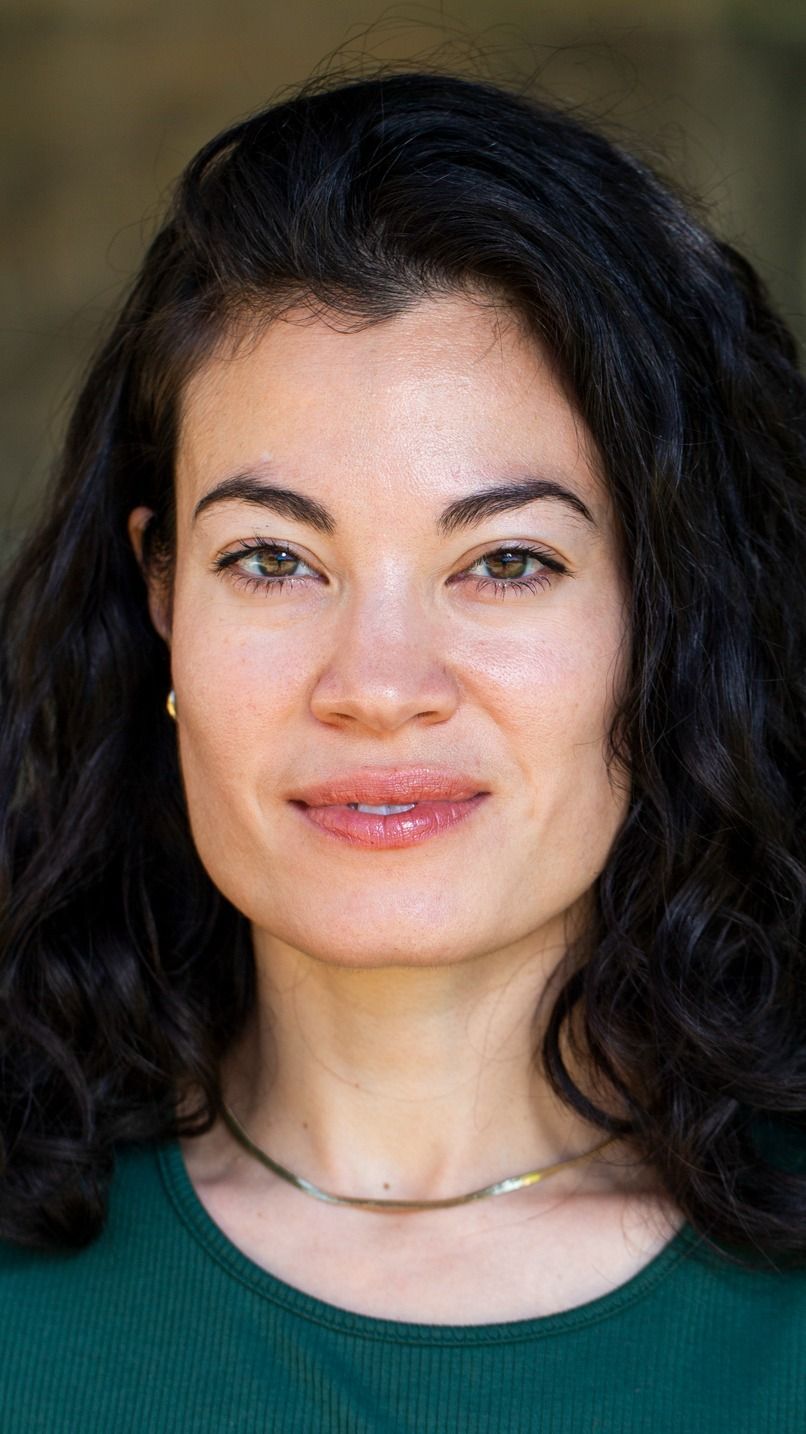 Your Instructor
Lisa Asedillo
PhD, Assistant Professor of Worship and Ethics, Inaugural Stanley Watson Chair in Ethics (2026–27), Director, API Initiative and PANA Oral Narratives Project
Dr. Lisa Asedillo (she/her/hers) is Assistant Professor of Worship and Ethics at the Pacific School of Religion. Her work brings attention to oft-overlooked sources (e.g. oral histories, popular education materials, magazines, poems, songs) and histories from the Global South for Christian ethical analysis, particularly from the Philippines and Filipinx American experience. Her current research is on the theology of struggle and ecumenical women’s movements of the 1970s-1990s in the Philippines, mining the history of Philippine Christian resistance for “pedagogical strategies of freedom." Her work draws connections between struggles against U.S. imperialism abroad to racial justice movements in the U.S., decolonization, and queer, feminist liberation.
Fill in the form on the left to see your course page take shape here.