
Preaching Foundations (TEL Cohort) FA26
Pacific School of Religion
Group-Based
Medium Level
Intentional Creation
Theological Imagination
Purchase Course
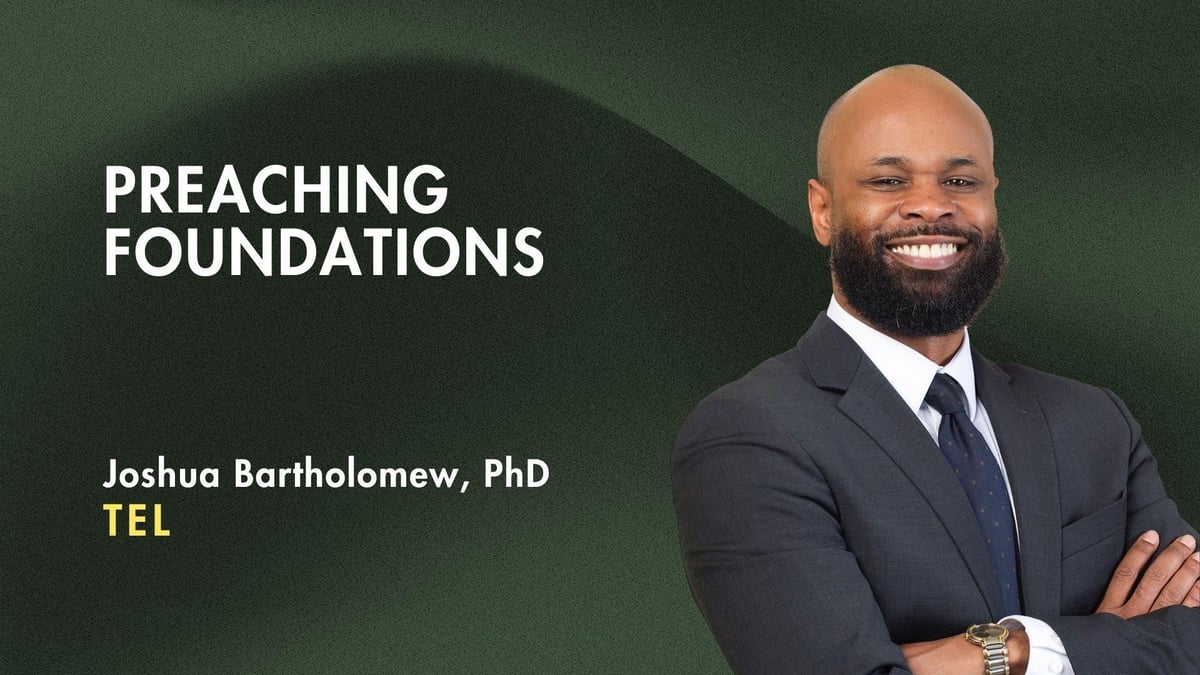
About This Course
This course is one of nine course in the Theological Education for Leadership (TEL) Learning Path for the Ministry Leadership track. This course introduces students to the foundational practices of preaching and worship, with no prior preaching experience required, and and is one-quarter of the full-term course of the same name which is considered the introduction to the introductory overview of Preaching Foundations. Students will learn the basic practices of biblical interpretation, sermon construction, contextual application, and effective delivery while exploring how preaching communicates theological meaning within particular communities and social contexts. Through engagement with artistic forms such as poetry, music, movement, drama, and visual art, students will explore multiple ways of interpreting biblical texts and communicating their meaning. The course provides a foundation for graduate-level study of preaching by helping students develop the interpretive, theological, creative, and communicative skills necessary to move from biblical text to proclamation.
Course Components
View All
4
Lessons
0
Resources
0
Quizzes
0
Assignments
How to Engage with this course
Learning Objectives
In this TEL course, you will learn:
- Interpret biblical texts by attending to their historical, literary, social, and political contexts and considering how social location informs interpretation.
- Construct a sermon with a clear theological focus and an intentional structure that connects biblical interpretation to proclamation.
- Connect biblical texts with contemporary contexts by identifying ethical, social, pastoral, and theological concerns relevant to particular communities and audiences.
- Communicate sermons effectively through the intentional use of voice, language, embodiment, presence, and other foundational practices of oral delivery.
- Use artistic and creative forms as resources for biblical interpretation, preaching, and worship, including poetry, music, movement, drama, and visual art.
- Reflect critically on preaching and worship as theological practices shaped by culture, community, social location, and the experiences and perspectives of both preacher and congregation.
Alicia Paullin
Fill in the form on the left to see your course page take shape here.