
Worshipful Life (TEL Cohort) FA26
Pacific School of Religion
%20FA26/Corwin%20Malcolm%20Davis%2c%20PhD-cropped-large.jpg?length=1200&name=Corwin%20Malcolm%20Davis,%20PhD-cropped-large.jpg)
About This Course
This course is one of nine course in the Theological Education for Leadership (TEL) Learning Path for the Ministry Leadership track This course provides a broad introduction to the themes and theologies of worship and ritual within communities of faith and social organizations, and is one-quarter of the full-term course of the same name which is considered the introduction to the introductory overview of Worshipful Life. For many faith communities, worship forms the heart of communal life. It is a place where participants learn the behaviors, rhythms, and patterns of discipleship that they hope to embody as faith-filled people in the world. Worship also marks times of transition within the life of individuals and communities. From birth to death, communities ritualize these liminal spaces that are rife with meaning and sacredness. In this course, we will examine the ways in which pastoral liturgies (e.g. dedications, weddings, healing rites, funerals, etc.) and sacraments both shape and are shaped by culture, history, theology, language, and practice. Students will integrate their learning by practicing leading these rituals that make up a worship-full life.
Course Components
View AllHow to Engage with this course
Learning Objectives
Course learning objectives are to be demonstrated by consistent and high-quality participation in the class; the completion of three weekly reflections and a Final Project. In specific, students in this course will:
- Contribute to the creation and maintenance of a culture of collaborative learning that is built upon an ethic of working effectively, productively, and respectfully in partnership with others in the class. Students will demonstrate proficiency in meeting this Learning Objective through punctual and consistent attendance at all class sessions; by meeting all assignment deadlines; and by honoring, through respectful interactions with others in the class, the various cultural, religious, racial, age, gender and other differences present among course members.
- Identify and critically analyze worship and ritual practices, both in the assigned readings and in the contemporary issues within our lived contexts, inclusive of analyses of culture, sociohistorical realities, and contextual identities. Students will demonstrate proficiency in meeting this Learning Objective through the use of detailed engagements in their written weekly reflections.
- Analyze the influence of political, cultural, economic, religious/spiritual, and theological contexts on the development of worship and demonstrate awareness of the range of differences and similarities among the student’s own experiences and religious/spiritual traditions. Students will demonstrate proficiency in meeting this Learning Objective through the discussion of assigned readings; through in-class discussions; and the creation of the Final Worship project.
- Work effectively in partnership with others in the class by contributing effectively to the group’s success, respecting and learning from colleagues in class, getting work done on time, and responding thoughtfully to the contributions of others in the class. Students will demonstrate proficiency in meeting this Learning Objective through class discussions and in the course’s various writing assignments.
- Assess the outcomes of Case Study proposed actions to craft worship that is relevant, timely, and contextually-specific. Students will demonstrate proficiency in meeting this Learning Objective through the discussion of assigned readings and through Final Worship Presentations.
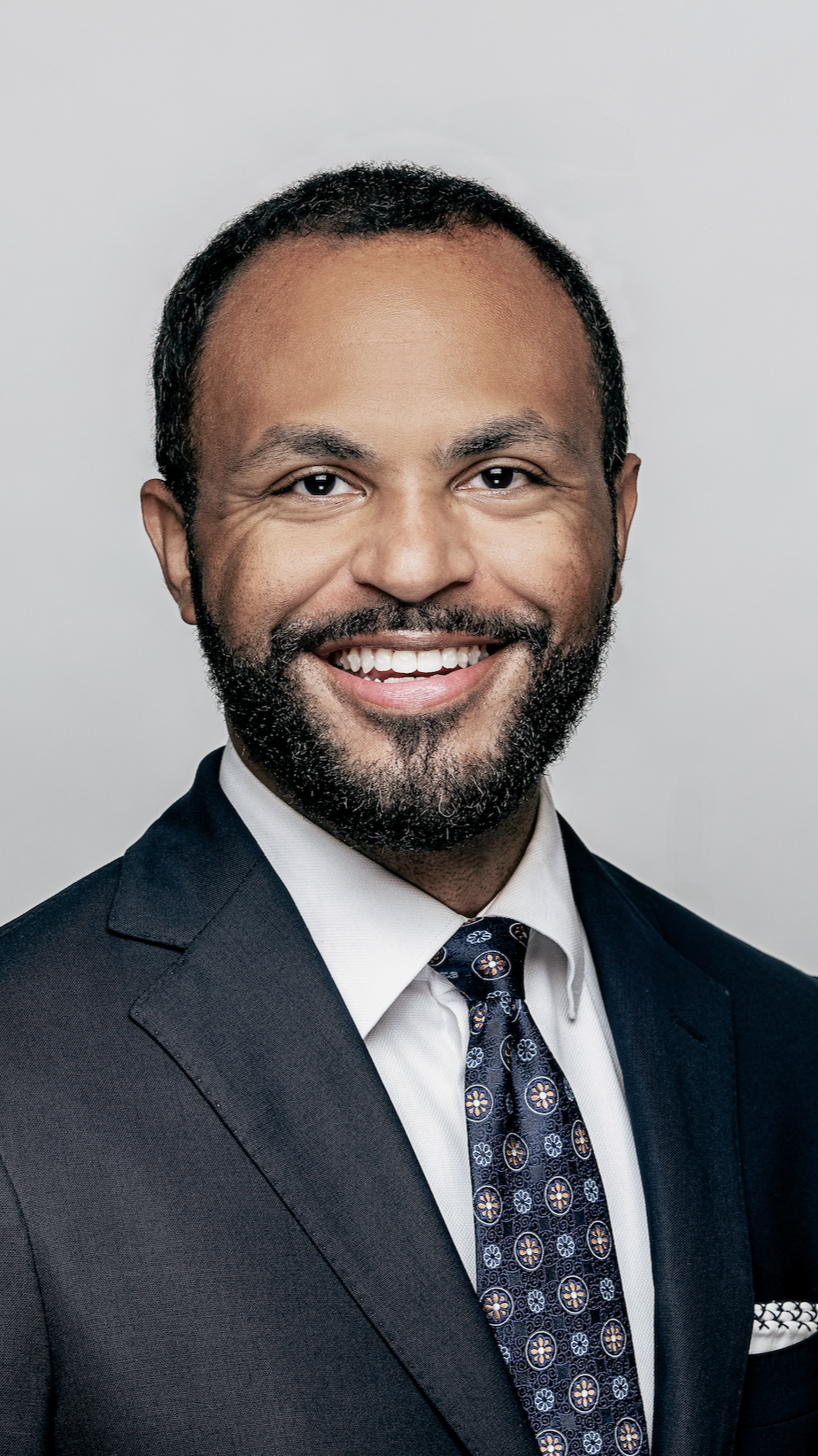 Your Instructor
Corwin Davis
Assistant Professor of Africana Religions, Theologies, and Culture | Director of Master of Divinity Program
Dr. Corwin Malcolm Davis is a scholar, cultural writer, and third-generation minister whose research engages African Diasporic religiosities, psychologies of religion, feminist and queer theories, and cultural studies. Davis completed his Ph.D. in Person, Community, and Religious Life at Emory University, with a certificate in Women’s, Gender, and Sexuality Studies. He has been awarded the George W. Woodruff Fellowship, the Centennial Scholars Fellowship, and fellowships from Sacred Writes, the Louisville Institute, and the Forum for Theological Exploration.
Dr. Davis’ research has been featured in print and digital publications, and his teaching spans both religious and academic audiences across the country. He is co-editor of the volume At This Time: Dialogues in Theological Education (Eerdmans) and has published articles in Religions, Theology and Sexuality, QTR: A Journal of Trans and Queer Studies in Religion, and Political Theology. His contributions to the academy includes leadership within the Society for Pastoral Theology, service on the steering committee for the Childhood Studies and Religion Unit of the American Academy of Religion (AAR), and a recent plenary presentation for the Academy of Homiletics. Davis has also held leadership roles as Director of the Center for Academic Success at Candler School of Theology and Associate Director of the national “Theological Education Between the Times” project.
Ordained as an Itinerant Elder in the African Methodist Episcopal Church, Dr. Davis has served congregations in Tennessee and New York and currently supports the AME Publishing House as a consultant and project director.