
Learning Objectives
● Understand the relationship between personal narrative, historical memory, and justice
● Analyze how film can confront oppression and promote solidarity
● Reflect on their own silences and untold stories
● Develop strategies to use storytelling for advocacy and education
● Create and present a short multimedia story based on a personal or community narrative
● Develop a toolkit or media resource for raising awareness about immigrant rights
Course Components
The Power of Storytelling to Overcome Fear and Silence
-
Exploring the roots of repression and the liberating act of speaking one's truth
10 MinutesAssignmentLesson Locked
Seeing the Invisible | Migration and Labor
-
Making the unseen visible | How film exposes hidden labor and systemic inequality
10 MinutesAssignmentLesson Locked
Historical Memory and Trauma
-
Understanding how trauma is inherited and resisted across generations
10 MinutesAssignmentLesson Locked
Humanizing Migration | The Beginning of The Immigration Trilogy
-
Centering human dignity in the face of criminalization and exclusion.
10 MinutesAssignmentLesson Locked
Bearing Witness and Continuing the Journey
-
Recapping Key Themes | Deepening Reflection | Embracing Future Action
10 MinutesAssignmentLesson Locked
Breaking the Silence: Film, Memory, and Migration as Acts of Resistance
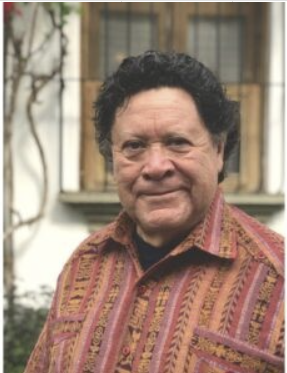
Taught by Luis Argueta
Storytelling—especially through film—is a powerful act of resistance. By actively listening to the voices of the marginalized, telling their lived experiences, we can create a safe space and allow their voices to resonate and reach others through artifacts we create (e.g., documentaries, written stories). In this manner we challenge systems of fear, oppression, and exclusion and begin to change the prevailing dehumanizing narrative about immigrants and refugees.
Meet Your Instructor,
Luis Argueta
Luis Argueta is a Guatemalan American award-winning filmmaker known for his multinational immigrant narratives. His coming-of-age film, The Silence of Neto, is Guatemala’s 1st Oscar submission and is credited as being the inspiration for many of Guatemala’s current young filmmakers. The Guardian newspaper listed Mr. Argueta as one of Guatemala’s National Living Icons, alongside Nobel Laureate Rigoberta Menchu. Argueta is the only filmmaker to receive the Order of the Quetzal, Guatemala’s highest honor. In 2019, he received the Harris Wofford Global Citizen Award from the National Peace Corps Association and was the 2021-2022 Lund-Gill Chair at Dominican University. At the Guadalajara International Film Festival, 2021, he received the The Mayahuel International Guest of Honor Award. He has been a researcher and consultant for Migration Policy Institute since 2017. His series of immigration documentaries: abUSed: The Postville Raid, ABRAZOS, The U Turn, and Ausencia have made him a noted lecturer on immigration. His films can be viewed on-line at www.luisarguetaa.com.